
Space & Astronomy
12 min read
Artemis II Mission: February 2026 Launch Window Confirmed for Historic Moon Flyby
Times of India
January 19, 2026•3 days ago
AI-Generated SummaryAuto-generated
NASA has set a launch window for the Artemis II mission between February 6-11, 2026. This crewed mission will send four astronauts on a flyby around the Moon, testing systems for future lunar and Mars exploration. The mission's success is crucial for advancing human spaceflight capabilities beyond Earth's orbit.
Source: The New York Times
NASA has shown off fresh details of its long-awaited Artemis II mission, marking a major step in the return of humans to deep space. For the first time in more than five decades, astronauts are preparing to fly around the Moon, testing systems designed eventually to take humans back to the lunar surface. According to mission planners, the earliest launch opportunities fall between 6 and 11 February 2026, a narrow window dictated by precise orbital mechanics and safety imperatives. Artemis II is not about landing; it is about learning. The crewed journey will hurl the Orion spacecraft deep into space, gathering critical data on how humans, hardware, and navigation systems perform far beyond Earth's protective orbit. What NASA learns during these days may spell out the future for both lunar and Mars exploration.
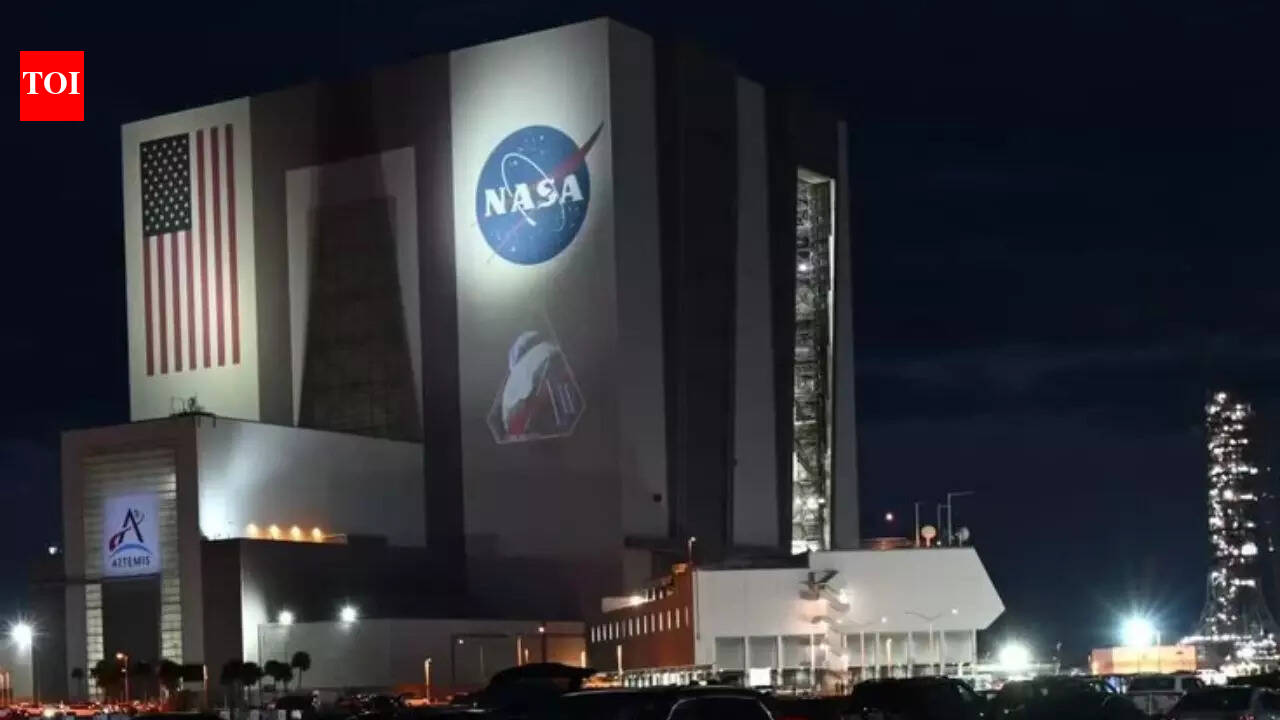
NASA Artemis II launch preparations and February 2026 launch window
At Kennedy Space Center in Florida, NASA’s Space Launch System is now ensconced on its launch tower. Now, engineers at NASA have entered the final stages of preparing their spacecraft, having performed final inspections and fueling tests to ensure that it is ready to withstand the rigors of a heavy lift. One of the last stages of its pre-certification approval is what is known as a wet dress rehearsal. This operational trial is a simulated countdown of a mission using fuel propellants. These processes ensure that a spacecraft is fit for passengers before sending astronauts into space. When all is well, a launch attempt may be made in February.NASA officials have confirmed that the earliest viable launch window opens on 6 February 2026 and runs through 11 February. Each of these days offers only a brief opportunity to launch, with timings dependent on weather, system readiness, and precise orbital alignment. Even small delays can ripple through the mission plan, affecting the spacecraft’s trajectory and its ability to safely return to Earth. Final launch times will only be confirmed once all testing is complete and engineers are satisfied that the spacecraft and rocket are ready for flight.
Meet the astronauts heading into deep space
The Artemis II mission will include four astronauts in the Orion spacecraft. These will consist of NASA’s Reid Wiseman, Victor Glover, and Christina Koch, as well as Jeremy Hansen from the Canadian Space Agency (CSA), who will perform the last walkaround before liftoff. The eleven-day mission will see them traveling well beyond low Earth orbit, in a circuit around the moon without actually landing on its surface, as they will evaluate life support functions, communications, navigation support, and essentially the whole experience of existing and working in deep space environments, with every heartbeat and every motion teaching scientists how they react beyond Earth.
Why NASA’s Artemis II mission is critical and why launch timing matters
This mission follows directly from the success of the Artemis I mission. In this mission, the uncrewed Orion spacecraft flew around the Moon and then safely back to Earth. The Artemis II mission further extends this mission by including humans in the mission and filling the exploration gap between testing and exploration. The mission's success will pave the way for the Artemis III mission, during which humans will land on the Moon's surface later in the decade. In addition to humans landing on the surface of the Moon again, NASA's Artemis mission can be seen as the building block for humans to explore Mars. Going to the Moon is much more complicated than going into orbit around the Earth. The position of the Earth and the position of the Moon have to be right in line, which will enable Orion to take the best possible trajectory for a successful journey and return. The amount of fuel that can be carried is very small, and the lighting conditions have to be right for the instruments on the spacecraft.
End of Article
Rate this article
Login to rate this article
Comments
Please login to comment
No comments yet. Be the first to comment!