
Health & Fitness
25 min read
Understanding Abnormal Menstrual Cramps, Bleeding & Cycles
CNA Lifestyle
January 20, 2026•1 day ago
AI-Generated SummaryAuto-generated
Menstrual discomfort, including severe cramps, heavy bleeding, and irregular cycles, is often normalized but may indicate underlying health issues. Understanding normal menstrual patterns, such as cycle length (21-35 days) and blood loss (30-40ml), is crucial. Seeking medical attention is advised for periods occurring more frequently than every 21 days or less often than every 35 days, excessive bleeding, or severe, persistent pain.
For some women, periods pass with barely a twinge, a monthly inconvenience at most. For others, menstruation can wreak havoc on daily life. They get terrible cramps, fatigue and bleeding so heavy that work, school or even sleep become difficult.
But because menstrual discomfort is often normalised, many carry on with life as usual even when it hurts.
Understanding what healthy menstruation looks like can help women recognise when something is off, and when to seek professional help.
Menstruation is the monthly shedding of the uterine lining. Each month, hormones such as oestrogen and progesterone cause the uterine lining to thicken to prepare for a possible pregnancy, said Dr Harvard Lin, a consultant obstetrician, gynaecologist and urogynaecologist at the Asian Obstetrics and GynaecologyCentre.
“These hormones also trigger ovulation, which is when an egg is released from the ovary and awaits fertilisation. If fertilisation does not occur, the uterine lining sheds, resulting in a period,” Dr Lin explained.
While women experience menstruation differently, there are some markers of what’s considered healthy and signs that may warrant medical attention.
Dr Selina Chin, an associate consultant obstetrician and gynaecologist at the Department of Obstetrics and Gynaecology at KK Women’s and Children’s Hospital (KKH), said: “A healthy period follows a regular pattern, lasts up to a week, is not excessively painful or heavy and occurs without bleeding between periods.”
HOW LONG SHOULD A MENSTRUAL CYCLE BE?
A menstrual cycle is counted from the first day of bleeding to the first day of the next period – a detail that is often miscalculated, said Dr Chin.
According to the doctors, a typical cycle lasts between 21 and 35 days. Slightly longer cycles, such as 38 to 40 days, may be normal for some women, although this may sometimes be linked to stress, hormonal imbalances or conditions like polycystic ovarian syndrome (PCOS) or thyroid disorders, Dr Chin said.
“For most women, (a longer cycle) is not a cause for concern. However, for those trying to conceive, longer cycles may suggest irregular ovulation, which can affect the time it takes to become pregnant,” she added.
Menstrual patterns may also change with age. Long cycles are common for the first few years after menstruation begins, said Dr Chin.
“As we age, our menstrual cycles tend to shorten and become more regular. During the perimenopause phase, they commonly become irregular and may cause troublesome symptoms before eventually tapering off,” she explained.
WHEN YOU SHOULD NOT IGNORE IRREGULAR PERIODS
Dr Lin told CNA Women that it is common to experience changes in cycle length, some discomfort, or heavier or lighter flow every now and then.
However, check in with a doctor if periods become noticeably irregular. For example, menstruation occurring more often than every 21 days or less often than every 35 days, said KKH’s Dr Chin.
“Infrequent periods tend to go undetected for longer, as women who have experienced them since adolescence often do not perceive them as problematic,” she said.
WHAT A TYPICAL MENSTRUAL FLOW LOOKS LIKE
According to the doctors, a healthy period usually lasts between three and seven days, with the flow often heaviest in the first two days. While it may look and feel like a lot more, most women lose between 30-40ml of blood during menstruation, which is about two to three tablespoons.
In medical terms, heavy menstrual bleeding is defined as losing more than 80ml of blood per cycle, or around five to six tablespoons, said Dr Chin.
“A normal-sized pad will hold 5ml of blood, although the absorbency varies according to size and brand,” Dr Chin added. “You may be experiencing heavy bleeding if you go through more than four fully soaked normal-sized pads a day, frequently pass large blood clots, experience flooding (regularly bleeding through clothes or bedding), or need to change your pad overnight.”
Also watch for symptoms of anaemia (indicating low blood count), such as tiredness, dizziness, or breathlessness. Heavy bleeding that consistently lasts longer than seven days may signal an underlying issue.
“If periods are progressively lasting longer than seven days, it is important to see a doctor to rule out hormonal imbalances or structural growths in the reproductive organs,” said Dr Chin.
While menstrual blood colour can vary through the period (from pink to red to brown, depending on how long the blood has been in the uterus), sudden changes in texture may be a concern, Dr Lin added.
“Speak to a doctor if you suddenly experience clots when you did not before, or if you pass clots larger than 2.5cm. These may indicate reproductive conditions such as fibroids, endometriosis, PCOS or hormonal imbalances,” said Dr Lin.
He recalled treating a 28-year-old patient who endured months of heavy menstrual bleeding that soaked through pads and forced her to wear diapers. She also had debilitating menstrual cramps.
An ultrasound revealed that she had multiple fibroids. These are non-cancerous growths in or around the uterus, which can result in heavy bleeding in some women. Dr Lin removed the fibroids with a scope procedure, leading to “significant relief”.
DISCOMFORT IS COMMON, BUT SUFFERING IS NOT
It is normal to experience mild to moderate cramps a day or two before and during menstruation, said Dr Lin. These cramps are triggered by prostaglandins, natural chemicals that cause the uterus to contract.
“Prostaglandin levels peak right before your period and drop once bleeding begins, so cramps are usually limited to the day before and the first two or three days of your menses,” Dr Lin explained.
“However, pain that begins days earlier or persists throughout your entire period may indicate an underlying condition.”
Dr Lin stressed that severe pain that disrupts daily life is not normal. “Most cramp-related symptoms improve with over-the-counter painkillers. Pain that does not respond or worsens may be abnormal.”
There are two types of painful periods, or dysmenorrhoea. Primary dysmenorrhoea usually begins in the teen years shortly after menstruation starts, and may continue into adulthood. Dr Lin explained that some women produce excess prostaglandins, and experience stronger than usual contractions and heavier, more painful periods.
Secondary dysmenorrhoea, said Dr Lin, often begins later in life and is linked to an underlying medical condition affecting the reproductive organs. These include conditions like endometriosis, fibroids and pelvic inflammatory disease.
“It typically involves severe pain that may start several days before your period, last longer than usual cramps, and continue until bleeding stops,” he said.
FINDING RELIEF IS POSSIBLE
For women dealing with menstrual issues, relief is often possible. For mild to moderate cramps, simple strategies can help.
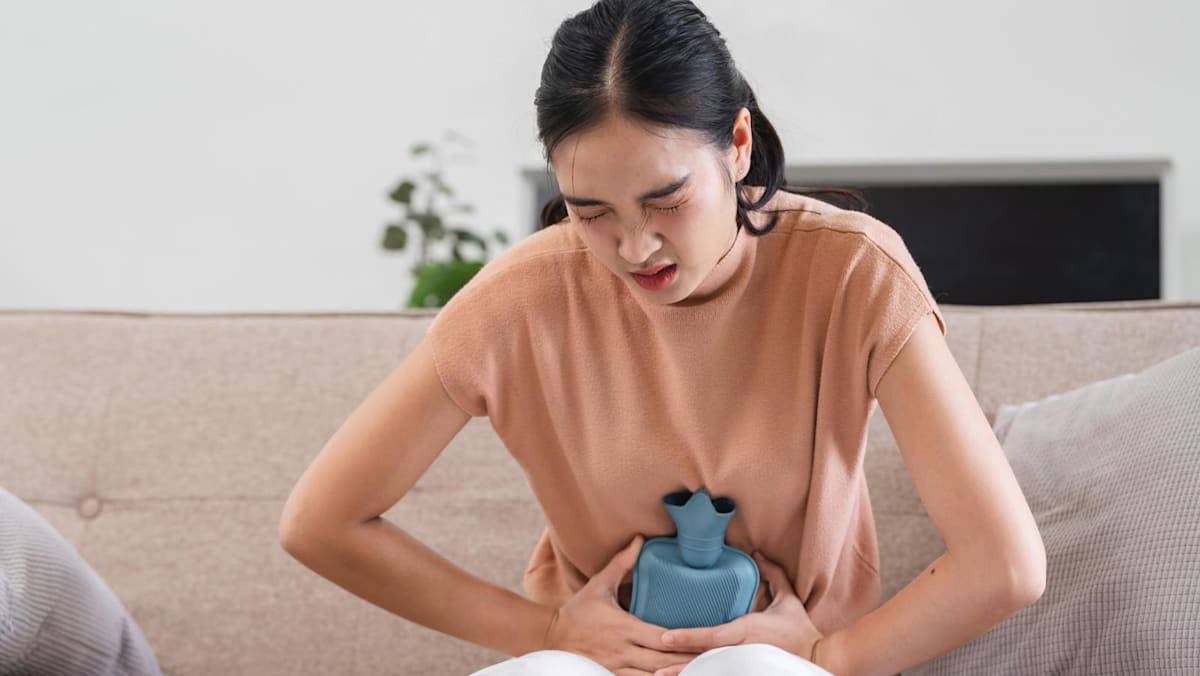
Placing a heating pad on the lower abdomen can relax uterine muscles and reduce cramping, while getting enough rest and exercise can help manage pain – try gentle exercises like yoga to ease muscle cramps, said Dr Lin.
He added that over-the-counter pain relief medication can help reduce prostaglandin levels. “I recommend taking them only when needed, typically during the first and second day of your period when cramps are most intense, and stopping once the pain subsides,” he said.
Hormonal birth control is another option for women who are not planning a pregnancy. “Oral contraceptives, implants, or injectables can reduce menstrual pain as women experience lighter periods, or no periods at all, while on hormonal birth control,” said Dr Lin.
Seek professional help if symptoms don’t go away, worsen or interfere with daily life. Seeking help early can help uncover and treat underlying issues early, preventing them from worsening.
“The outlook for women with menstrual disorders is often very encouraging with regular follow-up. Some conditions may require ongoing management, but with the right treatment plan and support, many women find their symptoms improve greatly,” said Dr Chin.
Rate this article
Login to rate this article
Comments
Please login to comment
No comments yet. Be the first to comment!